

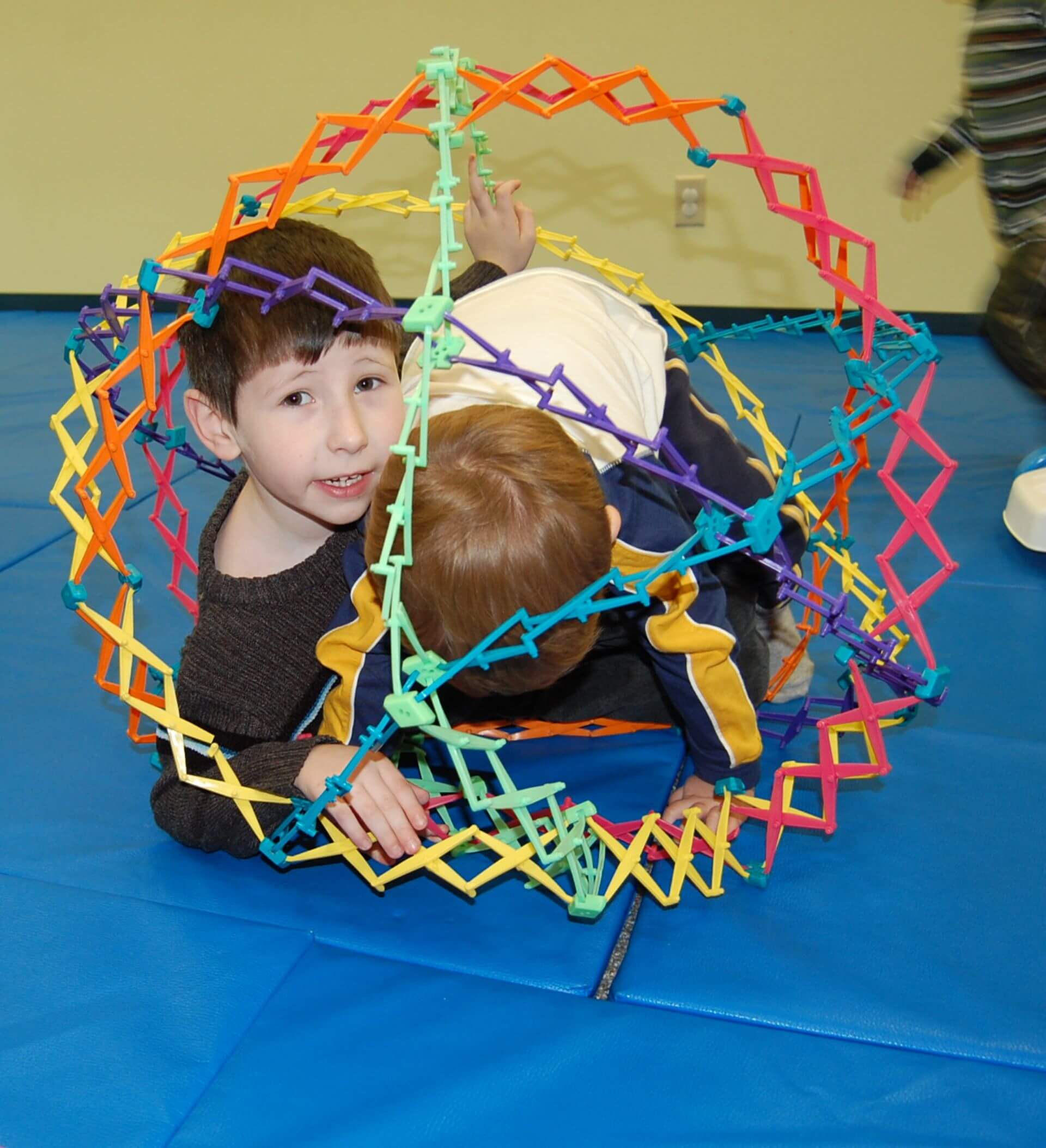

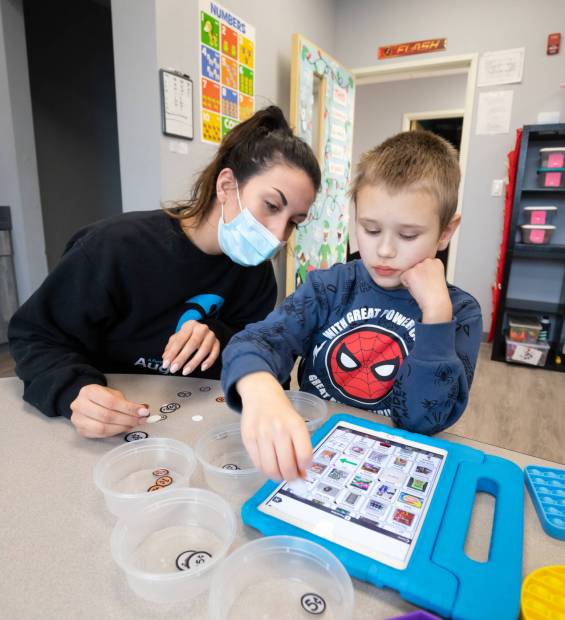

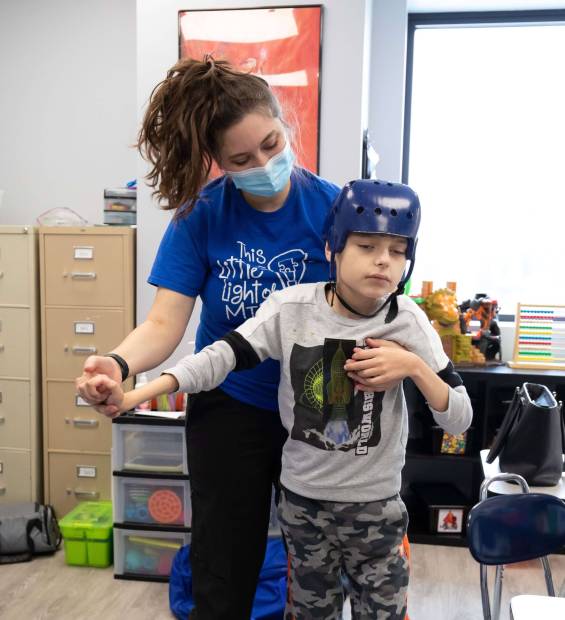



The Early Intervention (EI) Program at Augusta Levy provides individualized support for young learners through evidence-based ABA practices. Each child receives a personalized treatment plan built from comprehensive assessments, family collaboration, and ongoing progress monitoring. EI services focus on communication, play, behavior, and early independence—skills that support long-term growth across home, clinic, and community environments.
Every six months, Case Supervisors complete updated assessments to identify strengths, needs, and areas of growth. Families participate in this process through questionnaires, interviews, and goal discussions.
These assessments guide:
Parents or guardians review all plans, sign off before implementation, and may schedule additional meetings throughout the year to support consistency and progress.
Clinic-based EI services focus on communication, social play, behavior support, early learning routines, and foundational independence skills. Case Supervisors design each child’s program using evidence-based ABA methods including:
• Early Start Denver Model (ESDM)
• Discrete Trial Training (DTT)
• Natural Environment Teaching (NET)
• Verbal Behavior
• Functional Communication Training (FCT)
Home-based EI sessions help children build independence and communication in their natural environment. These services address daily living routines and allow families to participate directly in skill practice.
Family Expectations
A parent or guardian is required to be present during all home sessions to ensure safety, learning, and proper carryover. If a parent or guardian is not present, the session will be canceled.
Community-Based Instruction helps children practice skills in real environments such as parks, stores, restaurants, and recreational locations. These outings support communication, social interaction, safety, and independence in natural contexts.
CBI Goals
CBI objectives are set collaboratively by the Case Supervisor, family, and child (when appropriate). Group outings and individualized trips are scheduled throughout the year to support generalization of skills and confidence in new environments.
Families play a critical role in progress. Parents and guardians participate in assessment updates, receive home goals, and communicate regularly with Case Supervisors. Collaboration ensures consistency across environments and strengthens long-term outcomes.
Ethical Guidelines
Augusta Levy staff follow the Behavior Analyst Certification Board (BACB) Code of Ethics. Staff may not:
These guidelines protect professional boundaries and ensure quality care.
Our team is here to answer your questions and guide you through the next steps in the Early Intervention process. Reach out to begin the intake or learn more about how EI services can support your child’s development.