
ABA Clinic Services
Evidence-Based Support for Growth
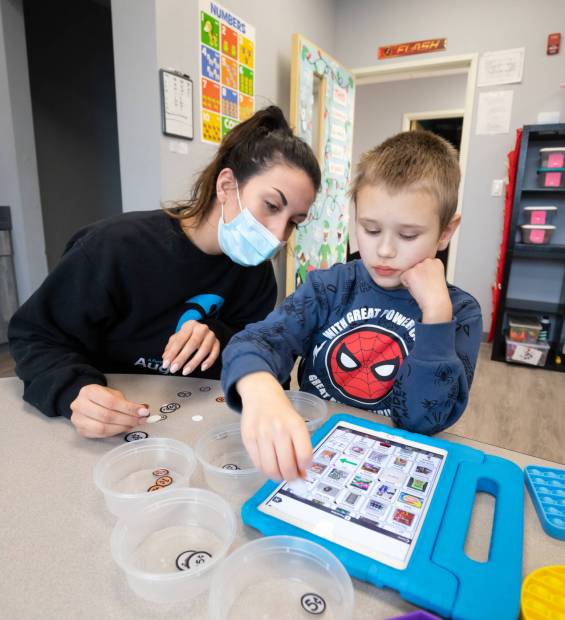
The ABA Clinic at Augusta Levy provides individualized behavioral and social services for children and adolescents. Each program is built through comprehensive assessments, collaborative planning, and evidence-based practices designed to strengthen communication, play, independence, and daily readiness skills. Services are structured to support meaningful progress across home, clinic, school, and community environments.
Compassionate, Skilled, and Structured
Clinic programs focus on building meaningful, functional skills through proven ABA methods. Sessions are engaging, goal-oriented, and responsive to each child’s strengths and needs. Families remain active participants through planning, communication, and regular goal reviews.
Core Methods Used:
- Early Start Denver Model (ESDM)
- Discrete Trial Training (DTT)
- Natural Environment Teaching (NET)
- Functional Communication Training (FCT)
Early Intervention Program
Designed for young learners, the EI Program supports foundational communication, play, behavior, and readiness skills. Each child receives a personalized treatment plan created from detailed assessments and family input. Services focus on building early communication, functional skills, emotional regulation, and the ability to participate in learning routines.
Individualized Treatment Plan (ITP)
Behavior Intervention Plan (BIP)
Six-Month Assessments & Reviews
Clinic-Based Learning
Home-Based Goals
Family Collaboration
Pre-Adolescent Support
The PreAd Program supports children who are developing more complex communication, daily routines, and learning behaviors. Programming focuses on independence, social understanding, emotional regulation, and school-related readiness.
Communication Skills
Problem-Solving & Flexibility
Daily Living Routines
Social Engagement
Behavior Support
School Readiness
Adolescent Behavioral Support
The Adolescent Program helps teens build stronger independence, functional communication, and age-appropriate social and life skills. Services address emotional regulation, decision-making, and skills needed to prepare for long-term goals.
Self-Advocacy Skills
Coping & Emotional Regulation
Community Participation
Daily Living Skills
Social Understanding
School Collaboration
Support Across Environments
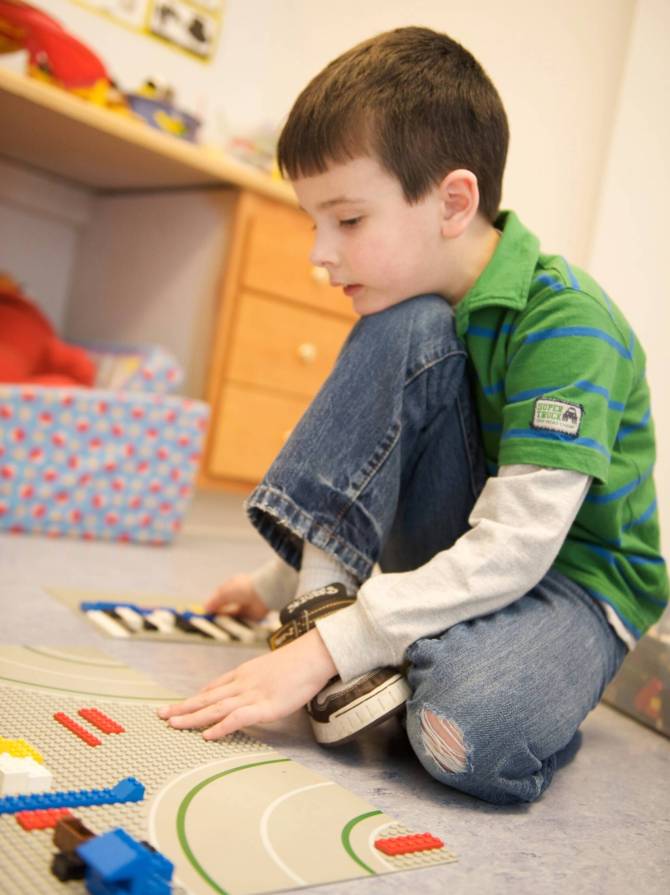
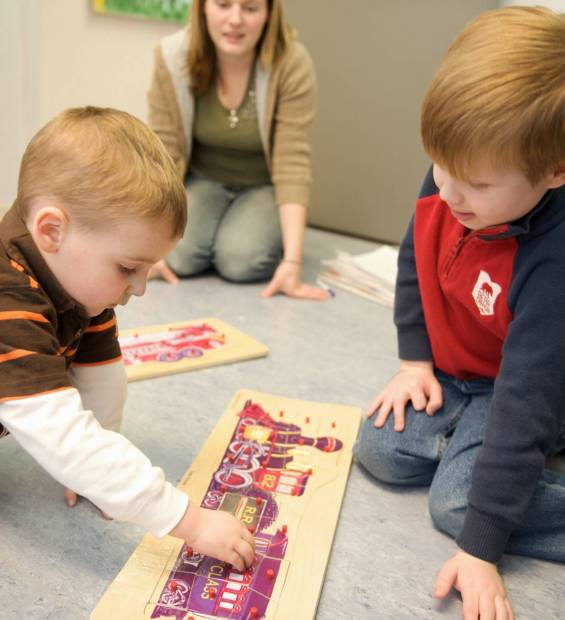
The ABA Clinic supports children and adolescents in the environments where learning naturally happens. Depending on each plan, services may take place in the clinic, at home, in schools, or throughout the community.
Clinic-Based
Skill-building sessions in a structured and supportive environment.
Home-Based
Family participation, daily routine guidance, and reinforcement of learned skills.
School Collaboration
Coordination with teachers and support staff to strengthen learning across settings.
Community-Based Instruction
Guided practice in real-world environments such as stores, parks, and public spaces.
Strong Progress Through Collaboration
Families are essential partners in the learning process. Parents and guardians participate in goal reviews, receive training for skill carryover, and maintain regular communication with Case Supervisors. Family involvement ensures consistency and reinforces progress outside of structured sessions.
Frequently Asked Questions
We provide applied behavior analysis (ABA) to children on the autism spectrum. ABA therapy has become a popular option for children with ASD. By combining proven effective teaching methods and interventions, ABA uses basic behavioral principles to improve or change specific behavior. ABA is vital to helping your child gain the skills they need to thrive in school and at home, by using data based decisions to address each child’s needs individually. Our agency has two programs: Early Intervention which provides services for ages 0-10, and Independence through Intervention for ages 10-15.
We are open Monday through Friday from 8:00 am – 4:30 pm. We have a calendar throughout the year with scheduled days off and holiday breaks. Each child’s schedule is specific to their needs and may vary based on availability.
Each child’s schedule is specific to his or her needs and may vary based on availability.
During our enrollment process, our BCBAs (Board Certified Behavior Analysts) will assess your child and make a recommendation of hours based on the results of the assessment. Depending on the child’s age (if they still nap, have other diagnosis, etc.) we may start a few hours a day then build them up to full time if needed. We may offer focused ABA treatment depending on the needs of the child, which means we may only see them a few times a week or month.
- The Early Intervention program focuses on using play and positive reinforcement as a building block to teaching the child how to learn. Play is essential to a child’s development. It is an all-encompassing activity that helps to develop critical skills such as social, intellectual, emotional, and physical abilities. For children with disabilities, these skills are crucial to their development.
- The Independence Through Intervention program targets giving individuals with autism the life skills to live a safe, happy life of independence. The therapists at ALLC focus on various life skills such as: crossing the street, calling 9-1-1, counting money, making a grocery list, going shopping, obtaining transportation, preparing meals, taking medicine, knowing basic first aid, housekeeping, making a bed, doing laundry, ironing, proper personal hygiene, phone skills, using public restrooms, private vs. public behavior, table manners, budgeting, time management, volunteering, interview skills, developing friendships, internet safety, visiting the doctor, etc. A “mock apartment” is set up so that the children can learn to complete the various skills needed to become more independent. The children also participate in community outings with their therapists to work on navigating public transportation, developing social relationships, eating at a restaurant, learning to read safety signs, etc. Therapists also work on self-advocacy, self-regulation, pursuing interests, communication, etc. while at the Center and in the community.
A child must have an autism diagnosis to attend the center. However, we do enroll child who have other diagnoses along with autism.
A Board Certified Behavior Analyst (BCBA) will develop and oversee all programs and interventions. Each child will have a team of therapists that they will work with throughout the day. All therapists go through a training process certifying each of them as Registered Behavior Technicians (RBT). Therapists will rotate through the day, so that your child will work with a different therapist from the team each session.
using best practices. Our goal is to propel our kids to their highest potential by implementing research-based intervention. Typically, a child attends the center for 2-3 years for intensive services before transitioning into their home school district. However, we recognize that each child’s needs are different, and we cannot guarantee a timeline for your child’s transition to school. We can ensure that we are putting those skills into practice in hopes of transitioning them into the school of your choice.
Each of our classrooms is divided up into rooms according to the child’s skills and potential goals/needs. We currently have 4 rooms in early intervention and three rooms for the pre-adolescent program. When a child is enrolled into our program, we enroll them in a room that would be socially appropriate for them to be in so that we can program for goals to interact with other peers in the room.
Parent involvement is a requirement in our program. We ask parents to come in to participate in their child’s therapy for a minimum of 4 hours a month (or one session, which is 2 hours, every other week). We will help the parents learn to implement therapy to ensure consistency across multiple environments. Grandparents, babysitters or other members of the child’s support team are welcome to participate in parent sessions.
All food and drinks are provided by the parents. You are welcome to send in any kind of food for your child for breakfast, lunch, and snack. If you have concerns about your child’s eating patterns you can meet with your BCBA to discuss options. We recognize that some children are on restricted diets and do our best to accommodate. We work on feeding and introducing new foods into a child’s diet at the parent’s request. We will also collaborate with Occupational Therapists and Speech Language Pathologists on these skills.
Your child does not have to be potty trained to attend our center.
We serve in the Tri-State area (WV, OH, PA).
Our team collaborates with other professionals in the field to include Speech Therapy, Occupational Therapy, and Physical Therapy goals into the child’s daily goals.
We have an extensive waitlist. We meet regularly to review our waiting list. However, the progression of the waitlist depends on openings in specific classrooms and the number of trained team members to provide services. We are typically in a 1:1 teaching environment. Therefore, for every child we may have an individual trained therapist schedule with a child to provide high quality services.
Other questions or concerns can be sent to contact@augustalevy.org
Our team is here to help you get started.
Our team is here to support your goals and answer any questions about Adult ABA services. Reach out to begin the intake process or learn more about how we can help.